



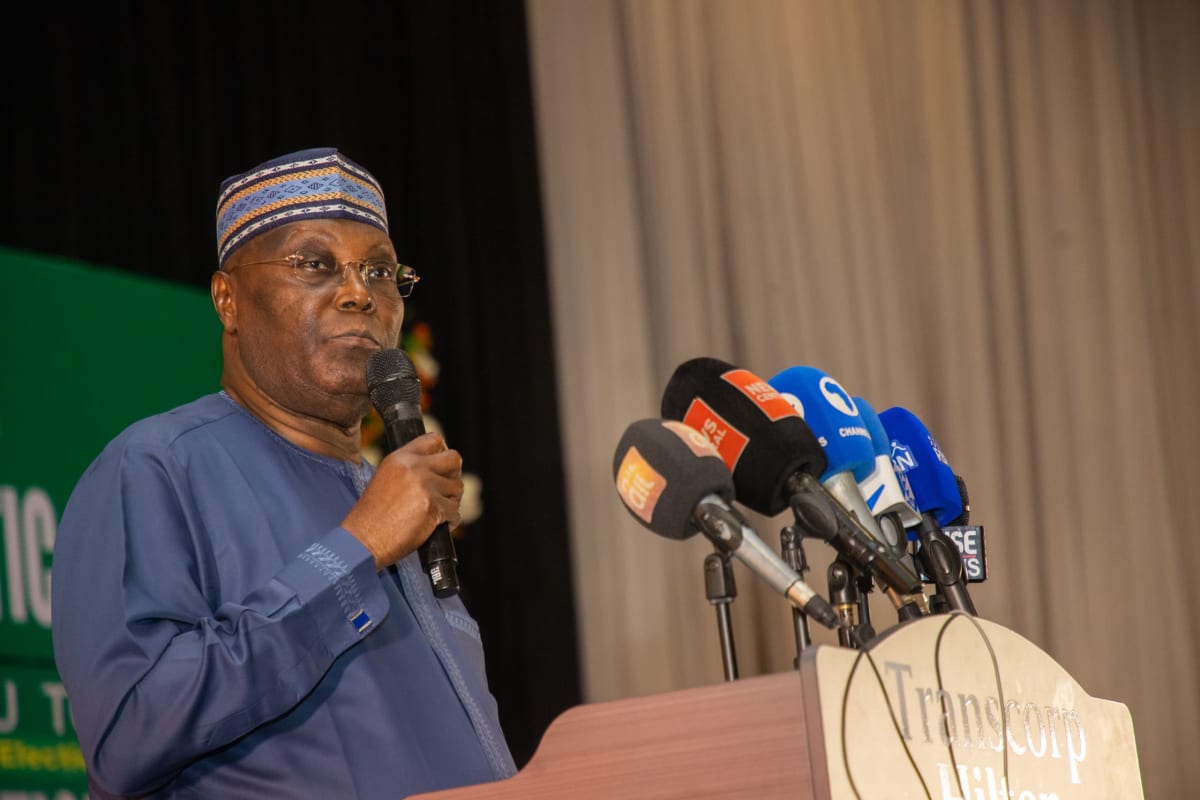
GOODWILL AND MANDATE: WHY ATIKU ABUBAKAR REMAINS A SYMBOL OF HOPE FOR MANY NIGERIANS
As Nigeria continues its search for purposeful and transformative leadership, the goodwill and mandate associated with former Vice President Atiku Abubakar remain central to the nation's political conversation. In a country faced with economic uncertainties, unemployment, insecurity, and the need for national cohesion, many citizens continue to look toward leaders with proven experience, vision, and the capacity to deliver meaningful change.
Atiku Abubakar has, over the decades, established himself as one of Nigeria's most influential political figures. His contributions to democratic governance, economic reforms, and national development have earned him recognition both within Nigeria and across the international community. His political journey reflects a consistent commitment to strengthening democratic values, promoting inclusiveness, and advocating policies designed to improve the welfare of ordinary Nigerians.
The goodwill surrounding Atiku is rooted in his reputation as a leader who understands the dynamics of governance and economic development. During his tenure as Vice President, he played a pivotal role in implementing reforms that encouraged private sector participation, attracted investment, and laid foundations for economic growth. His supporters often point to these achievements as evidence of his ability to navigate complex national challenges and deliver sustainable solutions.
Beyond governance, Atiku's commitment to youth empowerment and entrepreneurship has further strengthened his appeal among Nigerians. He has repeatedly emphasized the importance of creating opportunities for young people through education, innovation, skills development, and job creation. In a nation where millions of youths seek greater economic opportunities, his message continues to resonate with a significant segment of the population.
The mandate associated with Atiku Abubakar extends beyond electoral politics. It represents the collective aspirations of Nigerians who desire a nation characterized by justice, equity, prosperity, and equal opportunities for all. For many of his supporters, his vision embodies the hope of building a Nigeria where every citizen, regardless of ethnicity, religion, or social background, can thrive and contribute meaningfully to national development.
Across the six geopolitical zones, stakeholders, community leaders, professionals, and political groups continue to engage in discussions about the future of the country and the type of leadership required to unlock Nigeria's vast potential. Within these conversations, Atiku's name frequently emerges as a leader whose experience, national outlook, and commitment to democratic principles position him as a formidable voice in shaping Nigeria's future.
Furthermore, Atiku has consistently advocated for policies aimed at restructuring the economy, improving infrastructure, strengthening institutions, and fostering an enabling environment for businesses to grow. His belief in economic liberalization and public-private partnerships has remained a cornerstone of his vision for national development, earning him support from many who see economic transformation as critical to Nigeria's progress.
As the nation moves toward future political engagements, the discourse surrounding Atiku's goodwill and mandate continues to reflect a broader yearning for effective leadership, national unity, and sustainable development. Nigerians increasingly seek leaders who can inspire confidence, promote accountability, and implement policies that address the realities facing citizens across the country.
Ultimately, the strength of any political mandate lies in the trust and confidence of the people. The goodwill enjoyed by Atiku Abubakar remains a reflection of the faith many Nigerians place in his leadership philosophy, governance experience, and vision for a united, prosperous, and progressive nation. Whether viewed through the lens of politics, economic reform, or nation-building, Atiku's influence continues to shape conversations about Nigeria's future and the possibilities that lie ahead.
Share this story
More to Read
We Won’t Follow Atiku’s Path – APC Campaign Council Reacts To ‘Bola’ Remark
All Set for 2026 Youth Leadership Summit as NYC Oyo Chapter Announces Planning Committee
INEC Final List: Akinwale Olusayo Michael Congratulates KTJ, Elege, Other ADP Candidates Ahead of 2027 Elections

Stop Blaming Us – APC Tackles PDP Over Adebutu’s Exclusion From INEC List

Ogun 2027: PDP’s Adebutu Missing As INEC Releases Final Candidates’ List

Comments (0)
Want to join the discussion?
or